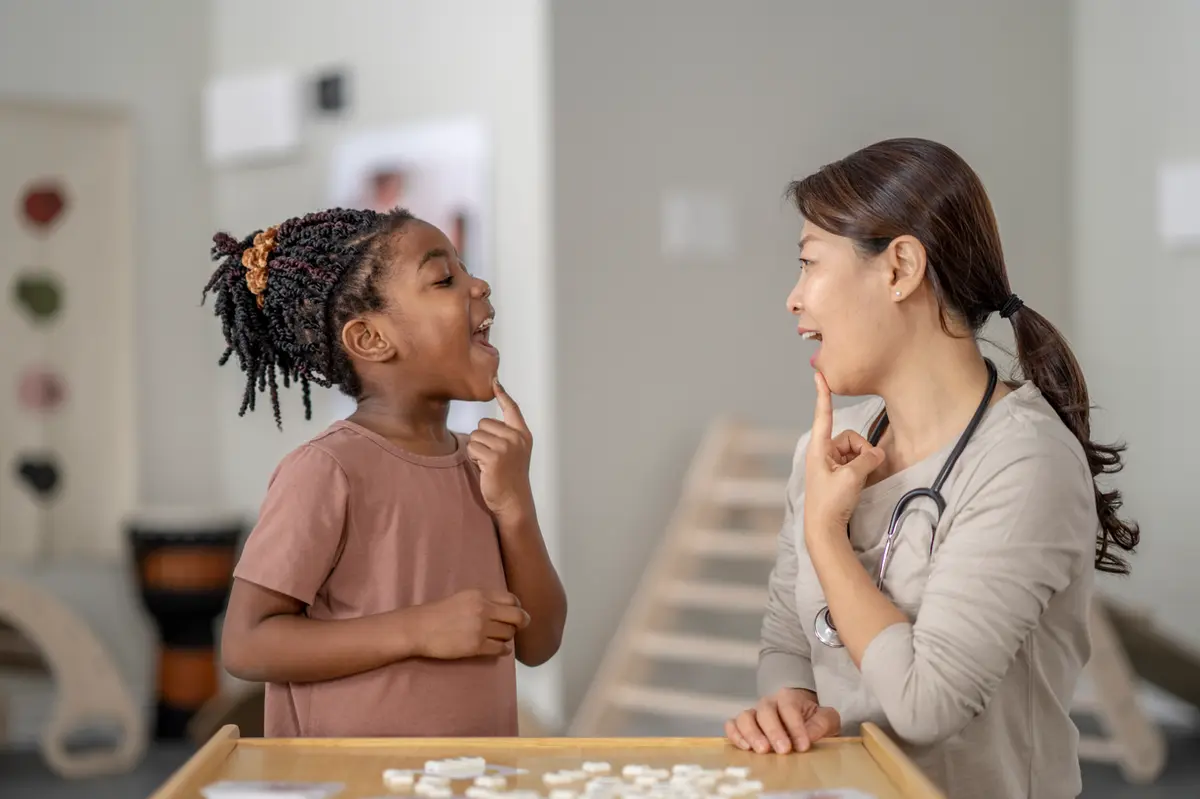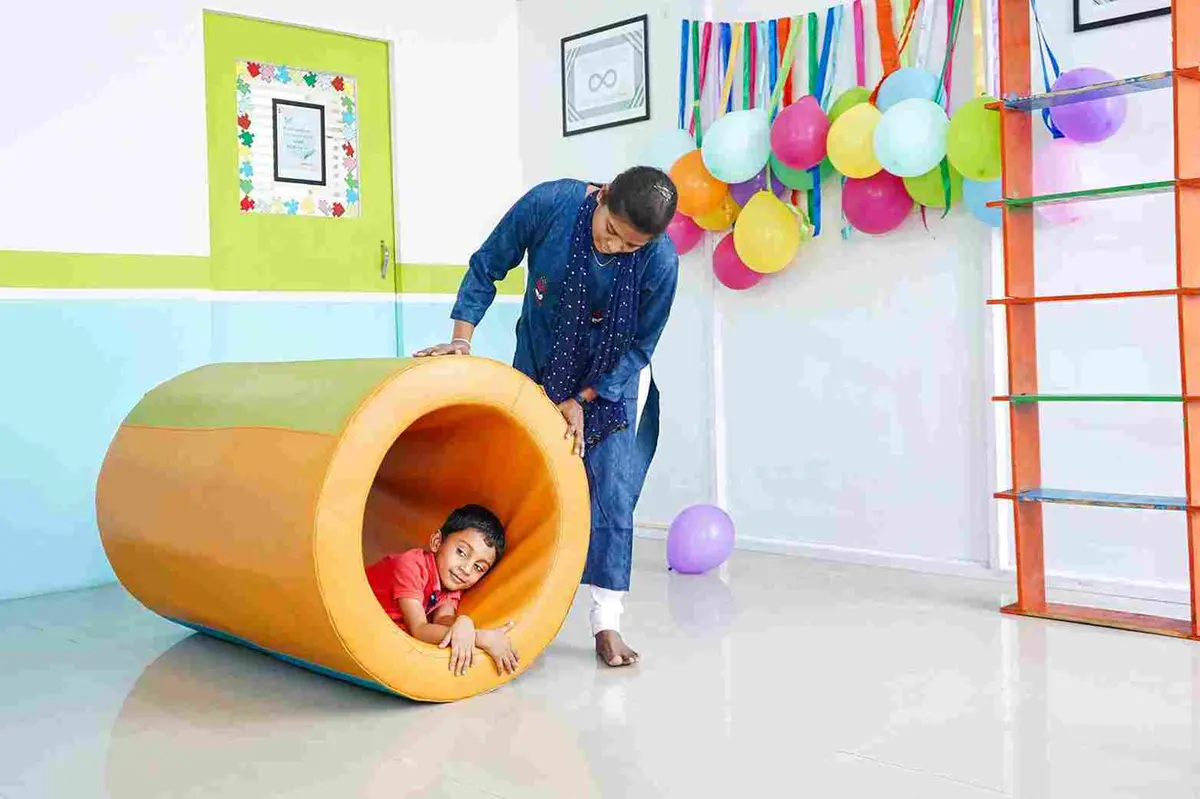

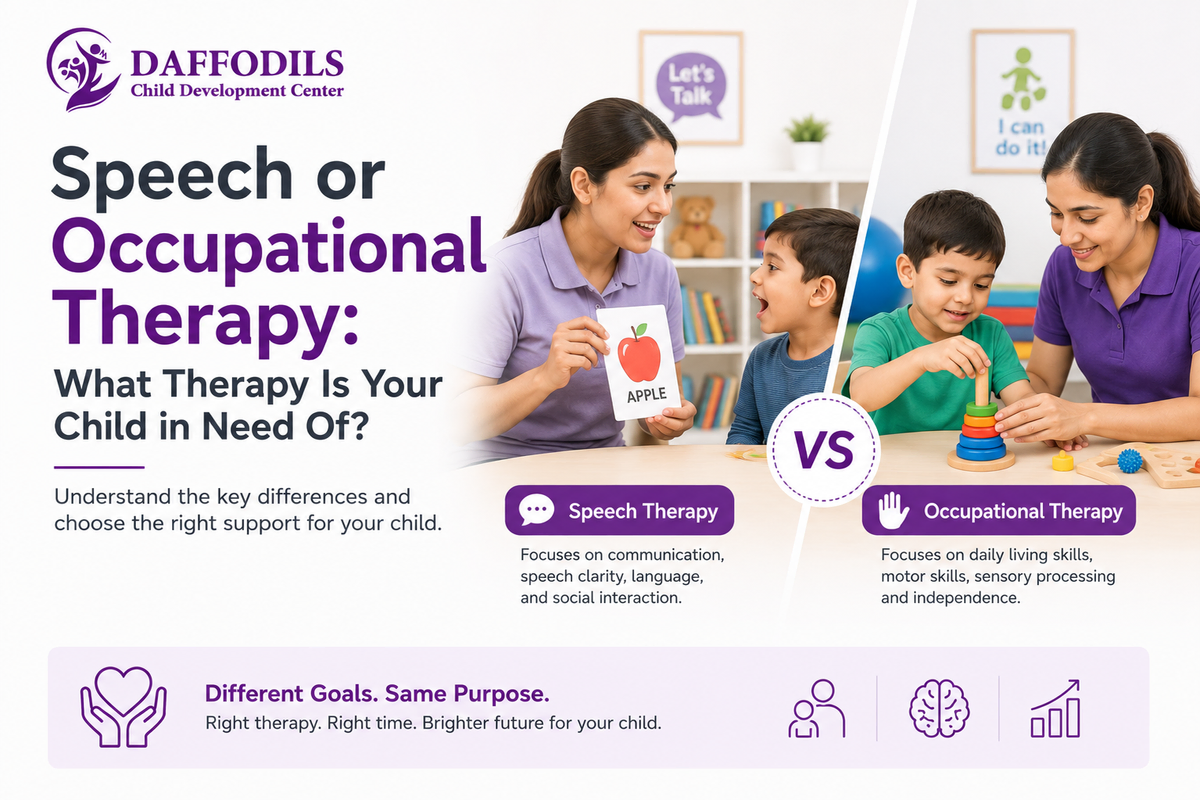
When your child is diagnosed as needing therapy, being a parent, you may have numerous questions. If speech and occupational therapy are an option, which is best? When you look at what your child is struggling with, it's easier to understand speech therapy vs occupational therapy.That is, speech therapy is mainly to help children communicate and occupational therapy is mainly to help children participate in life activities and enhance independence.
What can Speech Therapy help you with?
Speech therapy is not just "pronunciation.” It can assist with:- Saying sounds clearly
- Learning new words
- Making sentences
- Understanding language
- Expressing needs and feelings
- Speaking fluently
- Talking with others
What Does Occupational Therapy Do for Children?
OT (Occupational Therapy) assists children in performing activities of daily living including playing, eating, writing, dressing and engaging in school activities.OT may help your child who is struggling with:- Holding a pencil
- Writing or drawing
- Using scissors
- Getting dressed
- Eating independently
- Balancing and coordination
- Paying attention
- Manipulating some sounds or textures
Speech Therapy and Occupational Therapy: Differences
The simple difference between the two:Speech therapy = communicatingOccupational Therapy is about doing everyday things, that's the golden rule of OT!A speech therapist might be a good idea for your child if he or she has trouble articulating, understanding words or if he or she cannot converse with you.If your child struggles holding a pencil, getting dressed, sensory experiences or if they struggle to do activities throughout the day, then an occupational therapist might be better suited.Some children can struggle with both problems and need two different treatments.When is the appropriate time to bring your child to a Speech Expert?
If you are anxious about your child's communication skills, a good technique would be to consult the therapist directly to get a professional opinion.Some signs include:- Speech is hard to comprehend
- The child uses less than expected words
- Has difficulty assembling sentences
- Are unable to follow directions
- They get frustrated in communication with others
- Has problems with speech sounds or talking with people