

Feeding and swallowing Therapy
You'll find overview of developmental issues in children who need feeding and swallowing therapy, the workings or various aspects of feeding and swallowing therapy and kinds of feeding and swallowing therapy interventions in the following sectionsBy Daffodils CDC
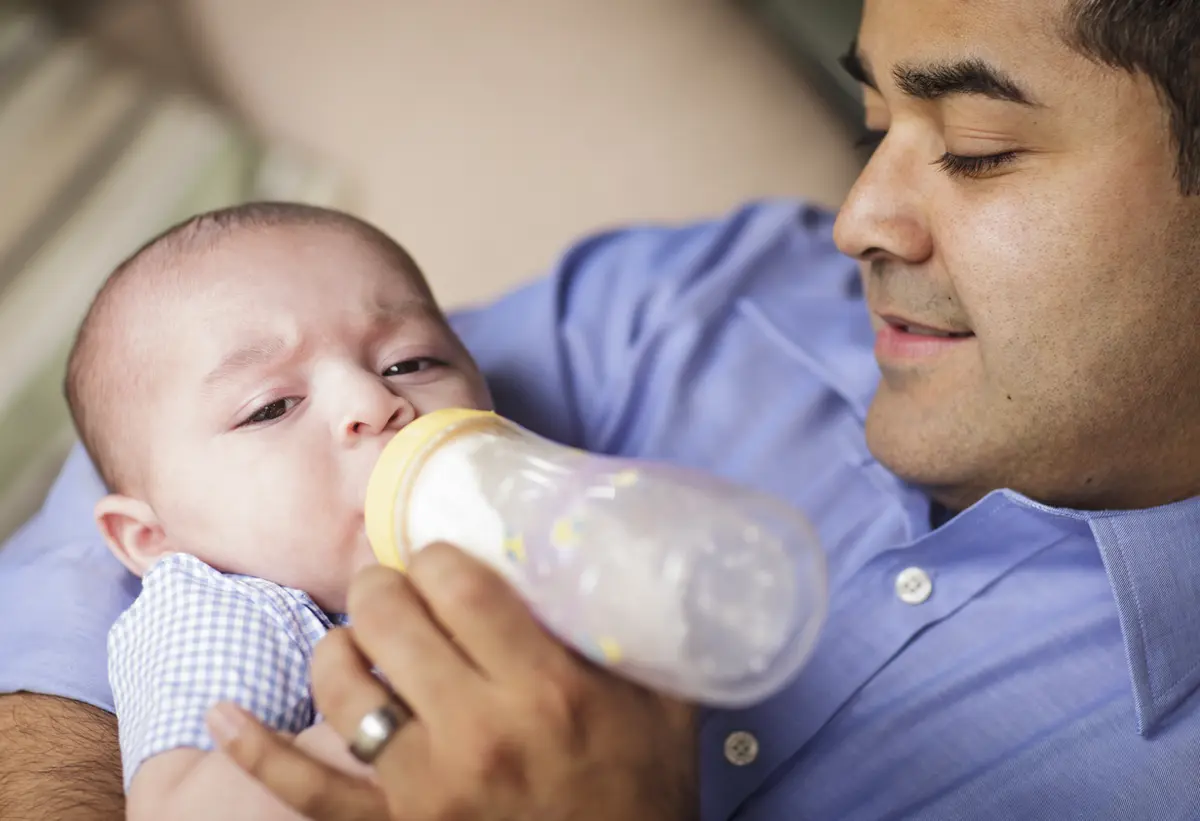
Issues that require feeding and swallowing therapy
Feeding and swallowing issues in children, also known as pediatric dysphagia, can encompass a wide range of difficulties related to eating and drinking. Here's an overview of feeding and swallowing issues in children along with some examplesSensory aversions or sensitivities
Some children may have sensory aversions or sensitivities related to food textures, tastes, temperatures, or smells, which can lead to feeding difficulties. For example, a child may refuse to eat certain textures of food, such as purees or solids, due to their aversion to the feel or taste of the food in their mouth
Gastroesophageal reflux disease
GERD is a condition where stomach acid flows back into the esophagus, causing discomfort and irritation. Children with GERD may experience pain or discomfort while eating or drinking, leading to feeding difficulties. For example, a child may show reluctance to eat or drink due to the discomfort associated with reflux
Swallowing difficulties (dysphagia)
Children with swallowing difficulties may have challenges coordinating the complex series of muscle movements required to safely swallow food or liquid. This can result in food or liquid going into the lungs instead of the stomach, leading to aspiration or choking. For example, a child may cough or choke during or after swallowing, have difficulty clearing their throat, or experience recurrent respiratory infections due to aspiration.
Behavioral or sensory-related feeding issues
Some children may have behavioral or sensory-related feeding issues that impact their eating and drinking abilities. For example, a child may exhibit food refusal, food selectivity, food aversions, or mealtime tantrums due to behavioral or sensory-related challenges, such as anxiety, sensory processing difficulties, or past negative experiences with food.
Developmental delays or disabilities
Children with developmental delays or disabilities may experience feeding and swallowing difficulties due to challenges with muscle strength, coordination, or sensory processing. For example, a child with cerebral palsy may have difficulties with oral motor control, leading to challenges with biting, chewing, and swallowing
Transition from tube feeding to oral feeding
Some children who have been fed through a tube, such as a nasogastric tube or gastrostomy tube, may face challenges transitioning to oral feeding. This may be due to difficulties with oral motor skills, sensory sensitivities, or aversions developed during tube feeding.
Treatment may include strategies to improve oral motor skills, sensory integration techniques, behavior modification strategies, positioning and environmental modifications, and education and support for parents and caregivers to facilitate safe and enjoyable feeding experiences for children. Always consult a qualified healthcare professional for appropriate diagnosis and treatment recommendations for your child's specific needs.
How does feeding and swallowing therapy work?
Feeding and swallowing therapy in children typically involves a comprehensive evaluation and individualized treatment plan to address specific feeding and swallowing difficulties. The therapy may be provided by a qualified healthcare professional, such as a speech-language pathologist or an occupational therapist with expertise in pediatric feeding and swallowing. Here are some general steps involved in feeding and swallowing therapy for childrenGoal setting
Once the evaluation is completed, specific goals are established based on the child's individual needs and challenges. Goals may include improving oral motor skills, sensory integration, self-feeding skills, and mealtime behaviors, among others. Goal setting is done collaboratively with the child, family, and the healthcare professional to ensure a family-centered approach.
Treatment planning
A comprehensive treatment plan is developed based on the identified goals. The treatment plan may include a variety of interventions and strategies tailored to the child's needs. This may involve a combination of oral motor exercises, sensory integration techniques, behavior modification strategies, positioning and environmental modifications, and parent/caregiver education and support.
Intervention
The actual therapy sessions involve implementing the treatment plan in a structured and systematic manner. The child may receive therapy sessions on a regular basis, typically in a one-on-one setting with the therapist. Therapy sessions may focus on improving oral motor skills, sensory integration, self-feeding skills, mealtime behaviors, and other relevant areas based on the child's specific needs.
Home based practice
Home-based practice is an essential component of feeding and swallowing therapy. The child and their family may be given strategies and exercises to practice at home to reinforce the skills learned during therapy sessions. This may involve implementing strategies during mealtime, providing appropriate food textures, using adaptive feeding equipment, and incorporating sensory strategies, among others.
Collaborative approach
Feeding and swallowing therapy for children often involves a collaborative approach among the healthcare professional, the child, and the family. This may include regular communication, education, and support for the family/caregivers to implement strategies and techniques in the child's daily routine, as well as addressing any concerns or challenges that arise during the therapy process
Progress monitoring
Regular progress monitoring is conducted to assess the effectiveness of the therapy interventions and to make adjustments to the treatment plan as needed. The child's progress is monitored closely, and the therapy plan may be modified based on the child's response and progress towards the established goals.
Different kinds of feeding and swallowing therapy interventions
Feeding and swallowing therapy for children may involve various approaches and techniques depending on the specific needs and challenges of the child. Here are some examples of different types of feeding and swallowing therapy for childrenSensory integration therapy
This type of therapy focuses on addressing sensory processing challenges that may affect a child's feeding and swallowing skills. It may involve activities and techniques to help the child tolerate and respond appropriately to sensory input during mealtimes, such as textures, smells, tastes, and temperatures.Example: A child who is sensitive to certain textures may work on desensitization techniques, such as touching, tasting, and playing with different food textures to gradually increase their tolerance and acceptance of those textures during feeding
Behavioral therapy
This type of therapy focuses on addressing any behavioral challenges that may impact a child's feeding and swallowing skills, such as food refusal, aversions, or mealtime behaviors. It may involve strategies and techniques to modify the child's behaviors, create a positive mealtime environment, and promote healthy eating habits.Example: A child who exhibits food refusal behaviors may work on gradual exposure techniques, such as food chaining or food hierarchy, to gradually increase their acceptance and consumption of a wider variety of foods during meals.
Positioning and postural therapy
This type of therapy focuses on optimizing the child's positioning and postural alignment during feeding to improve their swallowing function and prevent aspiration or choking. It may involve positioning techniques, use of adaptive seating, and modifications to the child's seating posture to facilitate safe and efficient feeding.Example: A child with poor postural control may work on exercises and positioning techniques to improve their trunk stability and sitting posture during meals, such as using a wedge cushion or a specialized high chair to support their alignment.
Feeding and swallowing education and training
This type of therapy focuses on educating and training the child, family, and caregivers on safe feeding and swallowing practices, including proper techniques for food preparation, mealtime routines, and strategies for managing feeding challenges at home and in different environments.Example: A child with a history of choking episodes may receive education and training on strategies to manage choking risks, such as cutting food into small, manageable pieces, teaching the child to take small bites and chew thoroughly, and providing close supervision during meals
Concerned about your child’s development?
Our therapists will assess your child and build one plan with you. Book an assessment or talk to us about what you are noticing.